
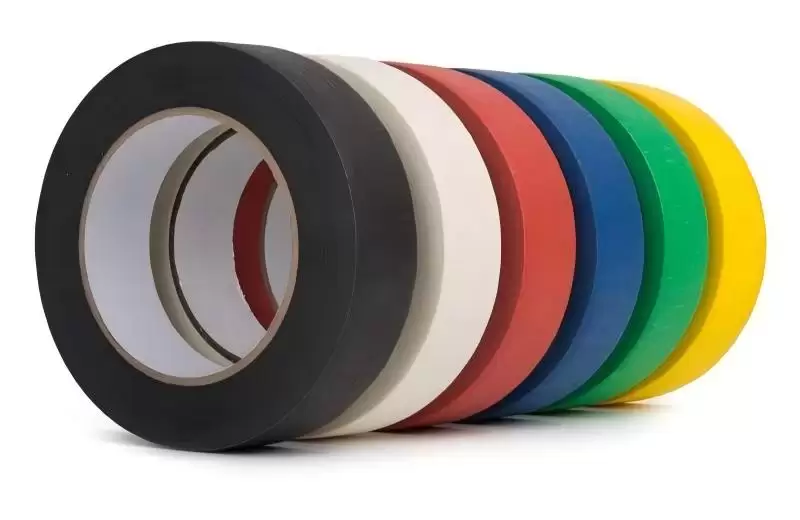
Working on temperature sensitive surfaces can be tricky. Paint lifting, adhesive residue, or surface damage often happens because the wrong masking tape was used. Whether you’re painting walls, working on automotive panels, or handling heat-sensitive components, choosing the right masking tape makes a real difference.
This guide explains how to select masking tape that protects delicate surfaces under temperature changes, using clear and practical examples.
Why Temperature Sensitive Surfaces Need Special Masking Tape
Temperature sensitive surfaces react quickly to heat or cold. During paint drying, baking, or environmental changes, regular tape can harden, shrink, or leave residue behind. This is why blue masking tape, Green Masking Tape, and other specialty options exist.
The goal is simple:
• Stay stuck during the job
• Remove cleanly without damage
• Perform well across a defined temperature range
Understanding Masking Tape Types by Color and Use
Not all masking tapes behave the same, even if they look similar. Color often signals performance.
Blue masking tape is widely used for residential and light industrial painting. It offers:
• Medium adhesion
• Clean removal
• Stable performance under moderate heat
This makes it suitable for painted walls, finished wood, and temperature sensitive coatings.
Green Masking Tape
Green Masking Tape is designed for higher temperature resistance. It performs well in:
• Automotive paint booths
• Short bake cycles
• Industrial spray applications
Compared to blue tape, it holds stronger without becoming difficult to remove.
Autobody Masking Tape
Autobody masking tape is made for automotive surfaces where heat, solvents, and sharp paint lines are common. It resists:
• Paint bleed
• Edge lifting
• Adhesive breakdown during drying
This type is ideal for metal panels and refinishing jobs.
Purple Fine Line Masking Tape
When clean lines matter, Purple Fine Line Masking Tape is the best choice. It’s commonly used for:
• Color separation
• Curves and tight edges
• Decorative automotive paint work
Its thin profile helps avoid paint ridges while handling temperature changes well.
Black Masking Tape
Black Masking Tape is often selected for heavier-duty jobs. It offers:
• Higher tensile strength
• Better resistance to moisture and heat
• Reliable hold on rough surfaces
It’s useful where standard crepe tape may fail.
Crepe Masking Tape and Adhesion Control
Crepe masking tape remains one of the most versatile options for temperature sensitive surfaces. Its flexible paper backing allows it to:
• Conform to uneven surfaces
• Release stress during heating
• Peel away cleanly after use
For walls, plastics, and painted finishes, crepe masking tape with controlled adhesion reduces the risk of surface damage.
Choosing Masking Tape Based on Temperature Range
Before selecting any tape, check its rated temperature range. Common guidelines include:
• Low to medium heat (room temperature to 80°C): Blue masking tape or crepe masking tape
• Medium to high heat (up to 120–150°C): Green Masking Tape or autobody masking tape
• Precision work with heat exposure: Purple Fine Line Masking Tape
Always match the tape’s specification to your process, not just the surface type.
Custom Masking Tape for Specialized Needs
Some jobs need more than standard products. Custom masking tape allows adjustments in:
• Adhesive strength
• Width and thickness
• Temperature tolerance
This is especially useful for manufacturers dealing with sensitive coatings, mixed materials, or repeated heating cycles.
How QKD Tape Supports Temperature Sensitive Applications
With over 15 years of experience, QKD Tape works closely with customers who face real-world masking challenges. Our 15,000 m² production facility supports consistent quality, while in-house coating and adhesive control ensure predictable performance.
From crepe masking tape for interior painting to high-performance autobody masking tape, QKD Tape provides OEM and ODM solutions tailored to automotive, industrial, and surface protection needs—without overengineering or unnecessary cost.
Practical Tips to Avoid Masking Failures
• Clean surfaces before applying tape
• Avoid overstretching during application
• Remove tape at the recommended angle and time
• Test on a small area when working with unknown surfaces
These steps help even the best masking tape perform as intended.
Final Thoughts
Choosing masking tape for temperature sensitive surfaces isn’t about picking the strongest adhesive. It’s about balance—adhesion, heat resistance, and clean removal working together.
By understanding when to use blue masking tape, Green Masking Tape, Purple Fine Line Masking Tape, or custom masking tape, you reduce rework, protect surfaces, and improve overall results.
If you’re unsure which option fits your process, working with an experienced supplier like QKD Tape can save time and prevent costly mistakes.
FAQ
Q1: Can masking tape damage temperature-sensitive surfaces?
Yes, if the adhesive is too aggressive or not designed for heat exposure. Low- to medium-tack masking tape is recommended for delicate surfaces.
Q2: What masking tape works best under heat during painting or baking?
High-temperature masking tape with stable crepe paper or film backing performs best, especially for autobody and industrial applications.
Q3: Does tape color indicate heat resistance?
Not always. Color often reflects product positioning, but actual heat resistance depends on adhesive formulation and backing material.
Q4: How long can masking tape stay on without leaving residue?
This depends on temperature, surface type, and adhesive quality. Professional-grade tapes are designed for clean removal within a defined time window.
Related articles
How to Use Automotive Masking Tape: A Complete Guide for Perfect Paint Results
Why Does Blue Masking Tape Cost More Than You Think?
5 Automotive Masking Techniques You Should Know: Back Masking, Pinstriping and More
