
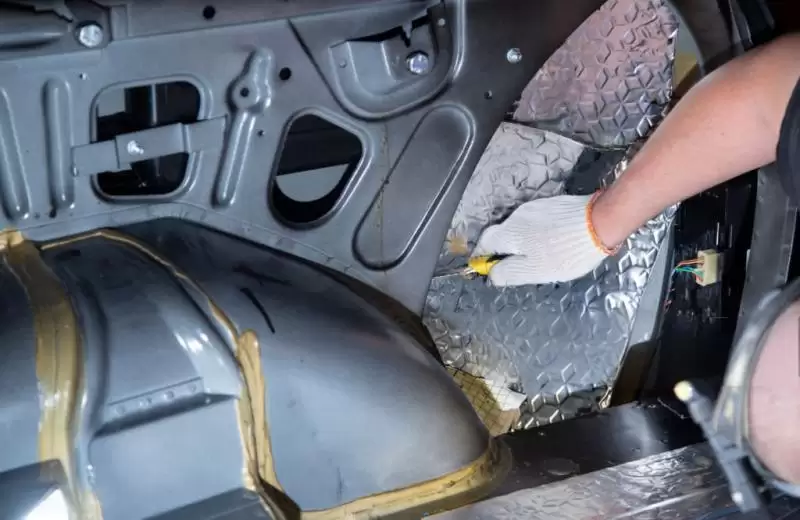
Butyl tape is one of the most useful sealing materials in construction and automotive work. It works as a strong adhesive layer and as a flexible waterproof barrier at the same time. Many customers know how well butyl tape performs, but they are often unsure about one key point: what width should be used for each job?
Choosing the correct width makes installation easier and helps you get better long-term results.
Why Width Matters
When you use butyl tape sealant, the tape must fully cover the joint or gap. If the tape is too narrow, water or air can still pass through the edges. If it is too wide, the material may be wasted and the job may look bulky.
The right width gives you:
• Full surface contact
• Proper compression
• Clean appearance
• Reliable sealing effect
That is why butyl tape waterproof performance depends not only on quality, but also on correct size selection.
Common Widths Customers Ask For
On the market, popular sizes include butyl tape 1 inch and butyl tape 50mm. These two options alone can fit many routine tasks. But each project has different needs. Below we explain how to match them to real jobs.
How to Choose Width for Building and Waterproof Jobs
1. Small Indoor Gaps
For narrow seams around doors, cabinets, or small panels, you do not need very wide tape. A strip close to 10–20mm is enough to create a tight bond. In these cases, butyl tape sealant acts mainly as a light moisture block.
Recommended width: 15mm to 25mm
2. Window and Glass Sealing
When sealing window frames or glazing joints, customers want stable compression and neat edges. Too narrow tape may not handle movement between glass and metal.
Recommended product: Butyl Glazing Tape
Suggested width: 10–15mm for frame joints
This range helps the tape stay flexible while giving good airtight results.
3. Roof and Outdoor Wall Work
For outdoor waterproofing, especially on larger joints, a wider format is safer. Metal sheet seams and panel overlaps require more coverage.
Typical size: butyl tape 50mm
This width reduces the number of pieces needed and improves sealing speed.
Recommended width: 50mm to 100mm
4. Metal Roofing Installation
Butyl tape for metal roofing is designed to block rain and dust on roof panel joints. Here, width selection is very important because roofs face wind pressure and high temperature.
Many customers choose butyl tape 1 inch for simple overlaps, but industrial roofing often needs broader tape such as 50mm or more.
Suggested options:
• butyl tape 50mm for standard roof joints
• 80mm or wider for gutters and edge sealing
Always measure the seam before ordering. The tape should be slightly wider than the joint area.
Choosing Width for Automotive Jobs
Butyl tape automotive use is different from building work. Cars have smaller joints but higher vibration and frequent temperature changes.
5. Car Window and Body Seams
In vehicle sealing, the butyl layer must fit into tight spaces. Narrower widths give more accurate control.
Recommended width: 10mm to 20mm
This range helps prevent water leaks without adding too much thickness.
6. Emblem and Trim Attachment
For light parts like badges or emblems, butyl tape sealant is used as a supportive adhesive. A narrow strip works well.
Suggested width: 15–25mm
General Rules for Width Selection
No matter which job you plan to do, follow these basic steps:
1.Measure the joint or surface area first
2.Choose tape a little wider than the gap
3.Avoid stretching the tape during use
4.Make sure the surface is clean and dry
5.Work in temperatures between 5°C and 35°C
Correct width and good installation protect the natural strength of butyl tape waterproof systems.
Other Products Used Together with Butyl Tape
In some projects, butyl tape is combined with reinforcing materials:
• Glass fiber tape for added strength
• Aluminum foil backing for UV protection
• Internal foam strips to fill larger voids
These materials help butyl tape sealant last longer in demanding conditions.
About QKD Tape
At QKD Tape, we have focused on adhesive tape technology for more than 15 years. Our company operates a 15,000-square-meter modern production base. We control the full process from molecular synthesis to precision coating.
We are certified under ISO 9001 and our products meet UL, IEC, CE, and RoHS standards.
For customers around the world, we provide OEM and ODM services and can quickly customize tapes for electrical insulation, flame resistance, high temperature, and many automotive needs.
Our experience allows us to help customers select the right width and the right formula for every project.
FAQ: Choosing Butyl Tape Width
Q1: What is the most common width for general waterproof sealing?
The 50mm size is very popular because it fits many outdoor seams.
Q2: Is butyl tape 1 inch enough for metal roofing?
For small overlaps yes, but larger joints often need 50mm or wider tape.
Q3: Can narrow tape be used outdoors?
It can, but it must still fully cover the joint area to remain waterproof.
Q4: Does thicker tape require wider width?
Not necessarily. Width should match the surface size, not just the thickness.
Related articles
What Is Butyl Tape Used For in Automotive? The Complete Guide
What Does Butyl Tape Not Stick To? The Complete Compatibility Guide
Is Butyl Tape Better Than Silicone? Your Guide to Choosing the Right Sealant
