
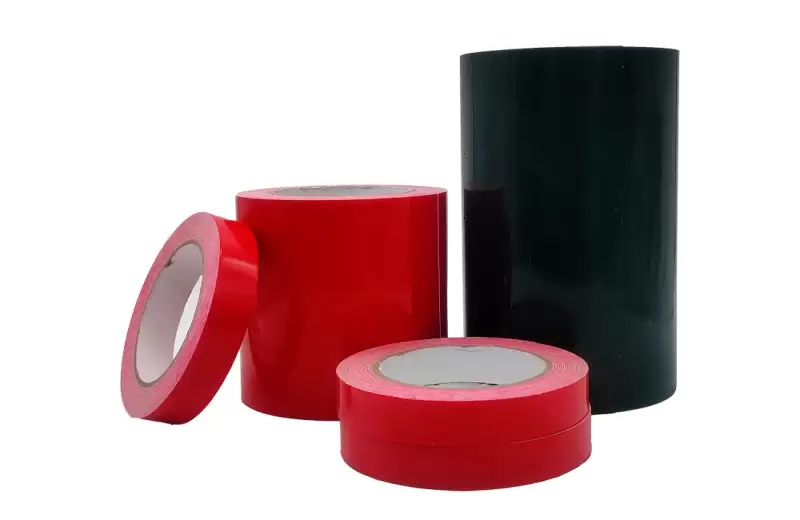
Unwanted noise and vibration inside a vehicle are more than just an inconvenience. They influence comfort, driving stability and even the long-term durability of automotive components. One of the most effective and affordable solutions used by modern manufacturers and aftermarket installers is foam tape—especially high-performance series such as automotive bonding tape, automotive trim tape, automotive sealing foam tape, automotive foam seal tape, automotive emblem mounting tape, and car body trim attachment tape.
In this article, we explain how foam tape solves the core problems of noise and vibration, which type to use for each application, and why many global customers choose QKD as their OEM/ODM partner for automotive bonding products.
Why Noise and Vibration Occur in Vehicles
Noise and vibration usually originate from three areas:
1.Component movement–interior trims, dashboards, pillars or connectors rubbing against surfaces.
2.Road and engine resonance–vibration transferring through the vehicle frame.
3.Gaps and leakage paths–unsealed areas allow air flow that increases noise.
Foam tape solves all three issues by providing cushioning, sealing and structural bonding in one material.
How Foam Tape Eliminates Noise & Vibration
1. Dampens vibration at the source
Foam materials such as PE, PU and acrylic foam naturally absorb impact and vibration. When applied between two surfaces, automotive foam seal tape creates a buffer layer that prevents rigid-to-rigid contact.
For example:
• Door panels
• Central consoles
• Interior trim frames
• Brackets and plastic components
Using automotive sealing foam tape in these zones reduces rattling and long-term wear.
2. Prevents friction noise
Many interior squeaks and buzz sounds come from two surfaces rubbing together.
Placing automotive trim tape in small gaps stabilizes parts and stops friction from producing sound.
It is especially effective for:
• A/B/C pillar trim
• Touchscreen frames
• Dashboard inserts
• Decorative panels
Because the tape compresses to shape, it remains effective even with temperature changes.
3. Creates airtight seals
Air leaks around edges bring wind noise into the cabin.
Applying automotive foam seal tape around seals, ducts and door modules blocks airflow and stabilizes the vehicle's NVH (Noise, Vibration, Harshness) performance.
4. Secure mounting without drilling
Exterior components such as emblems, badges, nameplates and small trims often require a secure but flexible mounting method.
Automotive emblem mounting tape and car body trim attachment tape provide strong bonding while absorbing micro-vibrations.
This protects:
• Logos
• Molding strips
• Lightweight accessory parts
The foam core ensures strong adhesion even on curved surfaces.
Which Foam Tape to Use? (Based on Your Technical Parameters)
Below is a simple selection guide that helps customers choose the right product based on performance needs:
1. PE/PU Double-Sided Foam Tape
Best for: interior vibration damping, general trim fixing
Technical highlights:
• Thickness: 0.06–0.1 mm
• Peel adhesion: >10 N/25 mm
• Holding power: >24 hrs
• Temperature: –20 to 100°C
Why use it: great cushioning, stable adhesion, cost-effective for large-volume applications.
2. Acrylic Foam Tape (AFT / VHB-Type)
Best for: exterior trims, high-load bonding, mirrors, strong structural applications
Technical highlights:
• Foam thickness: 0.25–2 mm
• Initial tack: 34 N/inch
• Peel adhesion: 60 N/inch
• Temperature: –20 to 120°C
Why use it: very strong bonding, UV-resistant, excellent for outdoor durability.
Why Choose QKD for Automotive Foam Tape
For more than 15 years, QKD has focused on the research and manufacturing of automotive adhesive solutions.
Our advantages include:
1.Full-chain manufacturing capability
We manage every process—from molecular synthesis to precision coating—inside our 15,000 m² modern factory.
This ensures stable quality and predictable performance across all foam tape products, including automotive bonding tape and car body trim attachment tape.
2.Certified for global markets
Our products comply with ISO 9001, UL, IEC, CE, and RoHS, meeting global automotive requirements.
3.OEM & ODM expertise
We provide fast customization service for:
• Automotive masking
• Wire harness and cable wrapping
• Noise & vibration damping
• Sealing tapes
• Structural bonding tapes
From early engineering discussions to mass production, QKD supports efficient delivery and long-term stable supply.
How Customers Can Apply Foam Tape to Reduce Noise
Here are practical steps for installers or OEM engineers:
Step 1–Identify noise points
Look for loose trims, contact points, air leakage paths or vibration sources.
Step 2–Choose the right tape
For vibration: automotive foam seal tape
For trim fixing: automotive trim tape
For emblems: automotive emblem mounting tape
For general bonding: automotive bonding tape
Step 3–Clean and prepare surfaces
Use IPA or an automotive-grade cleaner.
Step 4–Apply uniform pressure
Compression activates adhesive strength, especially for acrylic foam.
Step 5–Test for stability
Check after 24 hours to ensure full bonding.
Conclusion
Foam tape is one of the simplest and most reliable ways to reduce noise and vibration in vehicles. Whether it is used for interior trim stabilization, sealing gaps, mounting emblems or absorbing vibration, products such as automotive bonding tape, automotive trim tape, automotive sealing foam tape, automotive emblem mounting tape, automotive foam seal tape, and car body trim attachment tape provide strong and long-lasting improvement to vehicle comfort.
With strong R&D capability, complete OEM/ODM service and global certifications, QKD helps automotive manufacturers and aftermarket suppliers solve noise-related challenges with stable, efficient and customizable solutions.
FAQ
1. Which foam tape is best for reducing noise in vehicles?
Automotive foam seal tape works best for gaps and interior rattling. For exterior trims or higher load parts, automotive bonding tape or acrylic foam tape offers stronger support.
2. Can foam tape replace clips or screws?
Yes. Automotive trim tape and car body trim attachment tape can replace mechanical fasteners for many trims and panels while also lowering vibration.
3. Is foam tape heat-resistant enough for automotive use?
Acrylic-based tapes perform well from–20°C to 120°C, making them suitable for both interior and exterior applications.
4. Which foam should I choose—PE foam or acrylic foam?
PE foam is better for interior noise reduction. Acrylic foam is better for exterior bonding, emblems, and high-strength applications.
5. Does foam tape help reduce wind noise?
Yes. Automotive sealing foam tape closes small gaps around doors, dashboards, and trims to cut airflow noise.
6. Can foam tape mount car emblems securely?
Yes. Automotive emblem mounting tape offers strong bonding for metal and plastic surfaces while absorbing vibration.
